A deep clean is not just a longer version of regular cleaning — it is a different scope entirely. Here is exactly what a professional deep clean covers, room by room, for homes in Park City, Heber City and Midway.
What Separates a Deep Clean from Regular Cleaning?
If you've ever finished a standard cleaning session and still noticed grime behind the stove or dust along the top of your door frames, you already understand the gap between routine tidying and a true deep clean. A recurring cleaning service keeps surfaces presentable week to week — wiping counters, vacuuming traffic areas, scrubbing toilets. A professional deep clean goes further, targeting the buildup that accumulates in corners, crevices, and hidden surfaces over months or even years.
Here in Summit County and Wasatch County, deep cleaning carries additional weight. Homes at 6,500 to 9,000 feet of elevation contend with dry air that turns dust into a persistent film on every surface. Hard water from local wells and municipal sources leaves mineral deposits on fixtures, glass shower doors, and faucets that a quick wipe simply won't remove. Wood-burning fireplaces and pellet stoves — common in neighborhoods from Prospector to Timber Lakes — deposit fine particulate that settles into upholstery and air vents. A deep clean addresses all of it.
The Kitchen: Where Deep Cleaning Makes the Biggest Difference
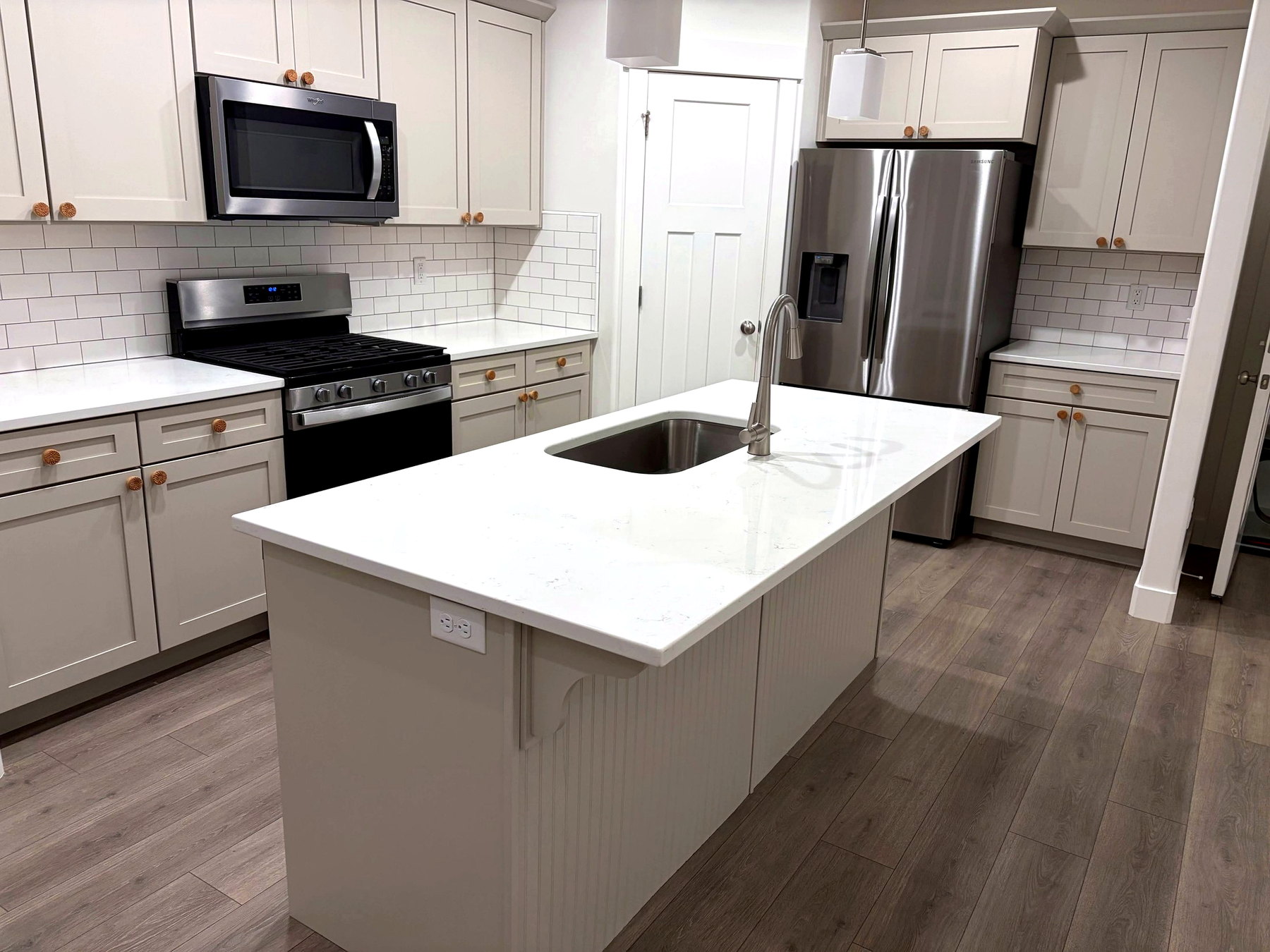
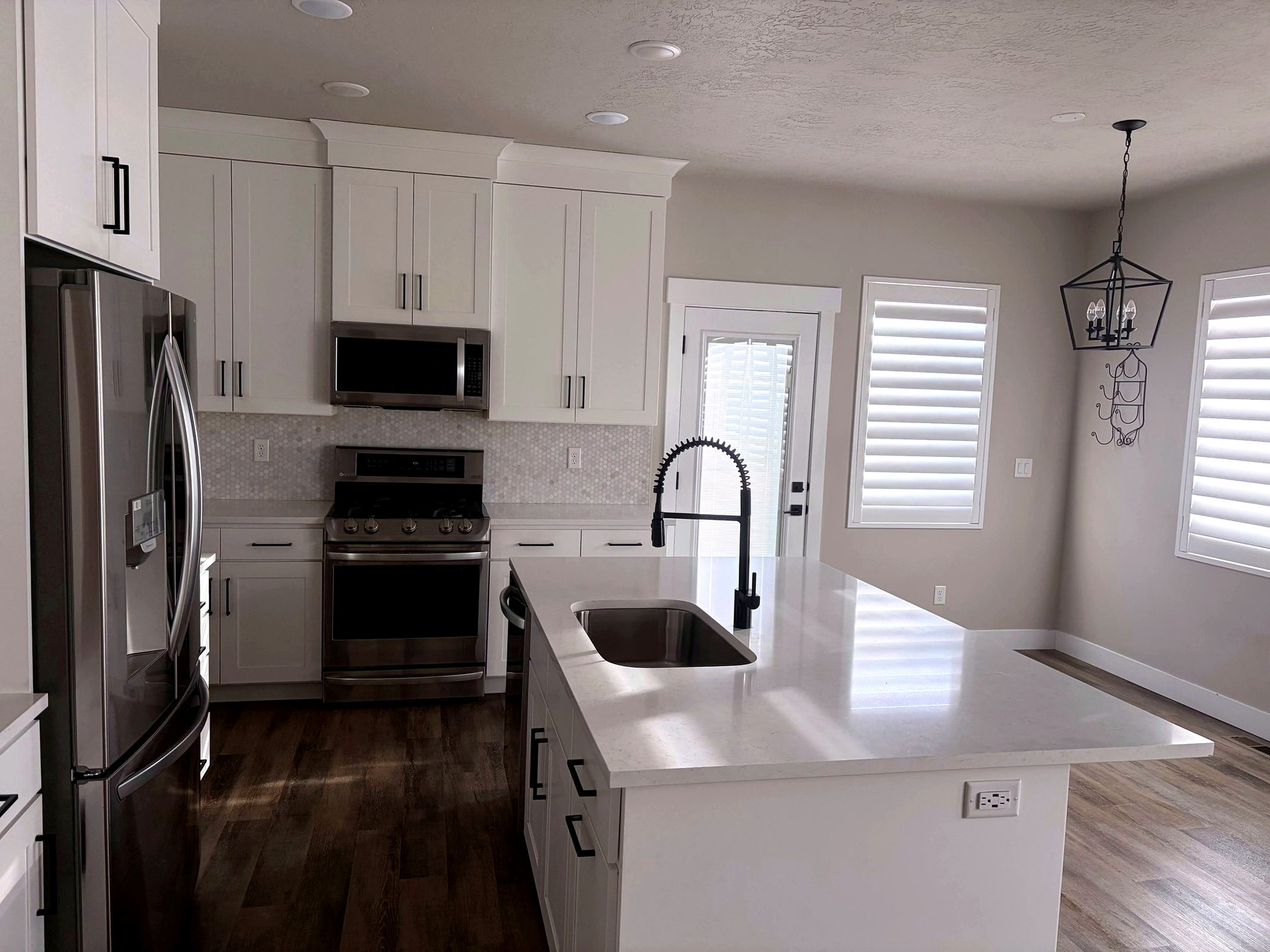
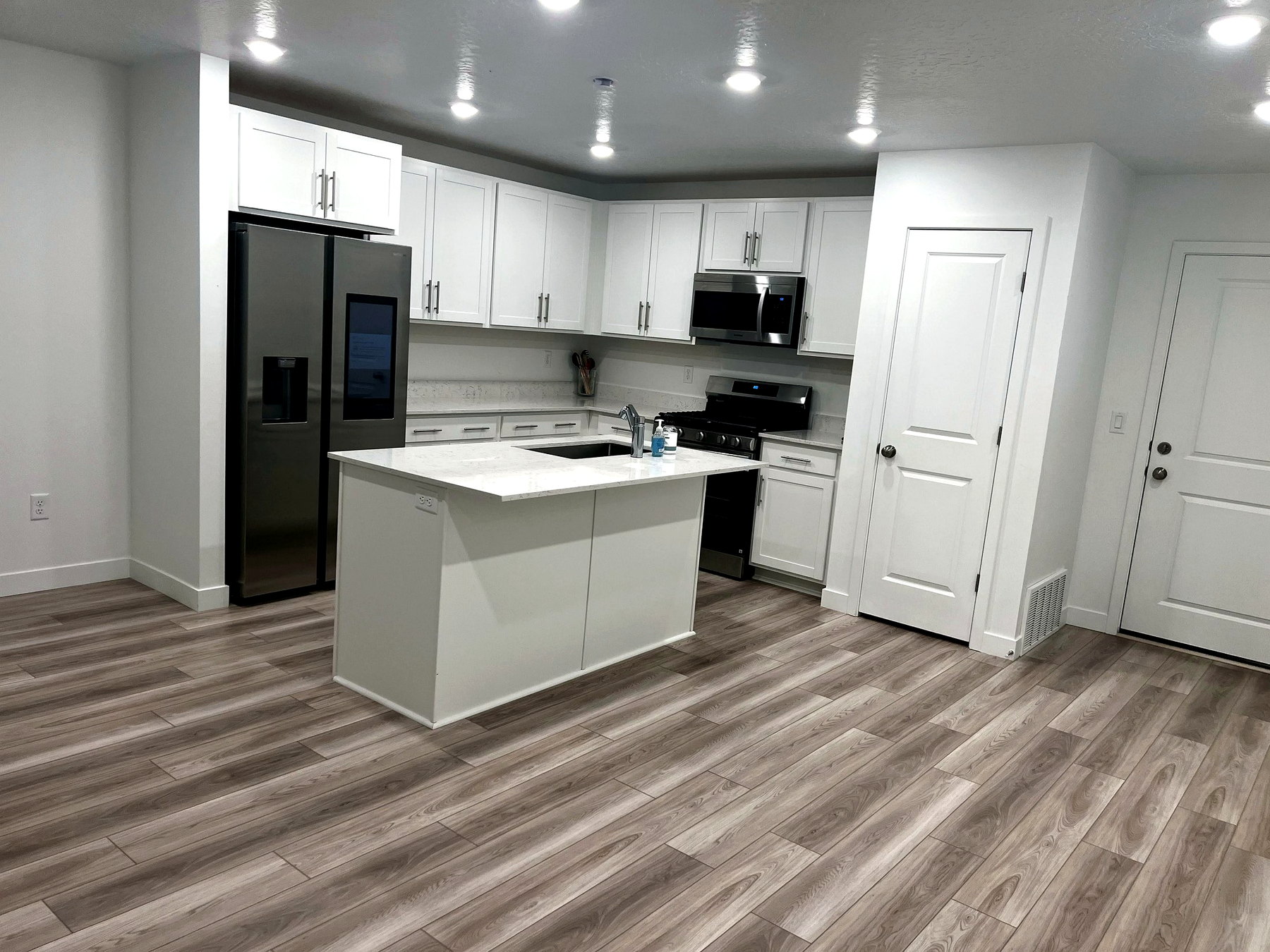
Kitchens accumulate grease, food residue, and moisture faster than any other room. During a deep clean, our teams start with the range hood and exhaust fan, degreasing the filter and wiping down the housing — a task that most homeowners skip for months at a time. We pull the stove away from the wall to clean the sides, the floor beneath it, and the backsplash area where grease spatters collect.
Inside the oven, we apply professional-grade degreasers that break down baked-on carbon without the harsh fumes of standard oven cleaners. The refrigerator gets the same treatment: shelves and drawers are removed, washed, and dried before the interior walls are wiped down. We clean the condenser coils on the back or bottom of the unit, which improves efficiency — something especially relevant at altitude, where appliances already work harder due to lower air pressure.
Cabinets are wiped inside and out, with special attention to the handles and the grease film that builds up on upper cabinets near the stove. Countertops are cleaned and, if the surface allows, treated along the edges and seams where crumbs and moisture hide. The dishwasher interior, garbage disposal splash guard, and sink drain are all cleaned and deodorized. For Park City homes with hard water, we descale faucets and sinks to remove the white mineral crust that dulls stainless steel and stone.
Bathrooms: Tackling Hard Water, Mold, and Hidden Grime
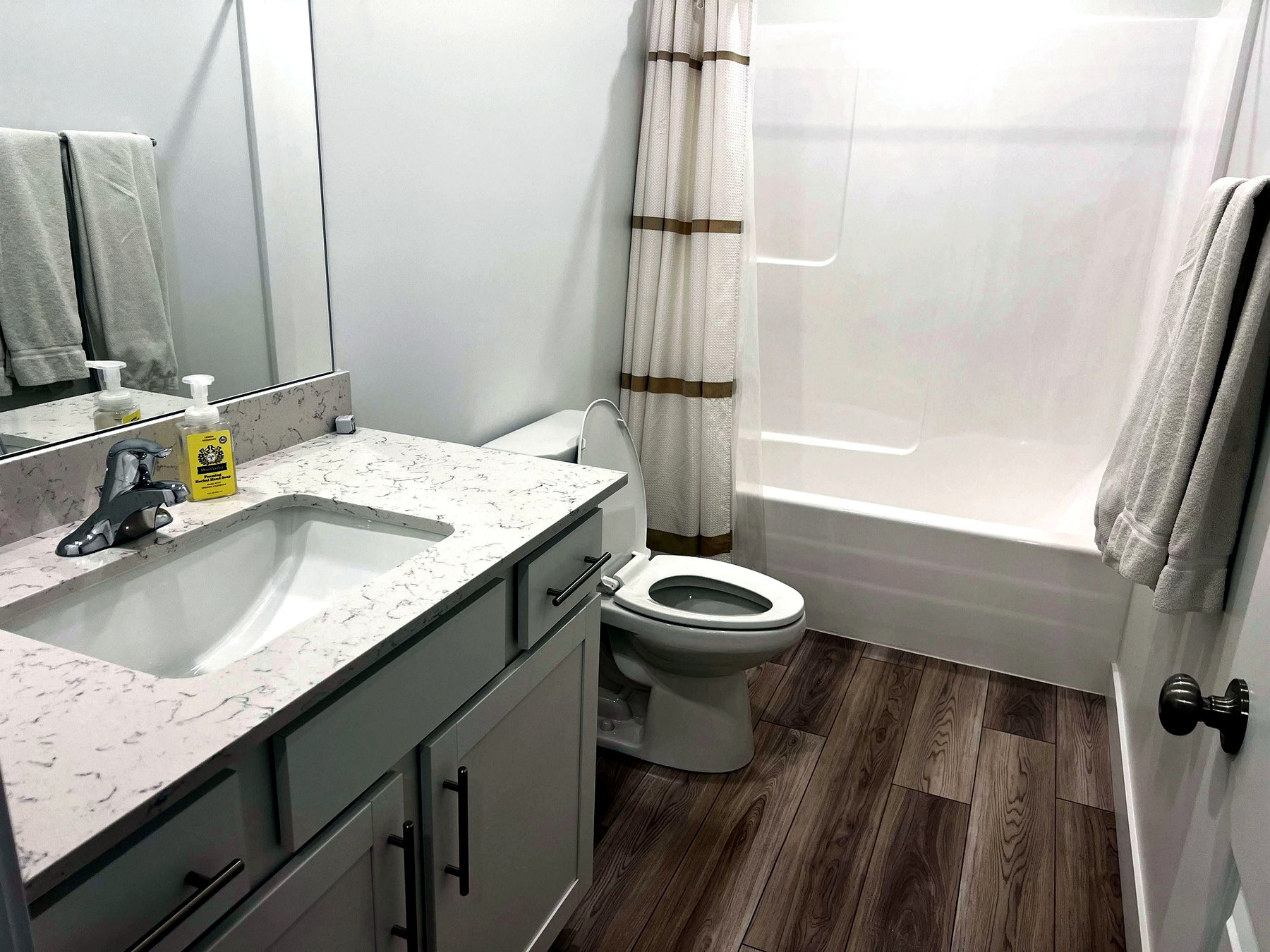
Bathrooms in mountain homes face a unique combination of challenges. The hard water prevalent across Heber City and Midway leaves calcium and lime deposits on showerheads, glass doors, tile grout, and fixtures. Humidity from showers promotes mildew growth in grout lines and silicone caulk, particularly in homes where bathroom ventilation fans are undersized or vented into the attic rather than outside.
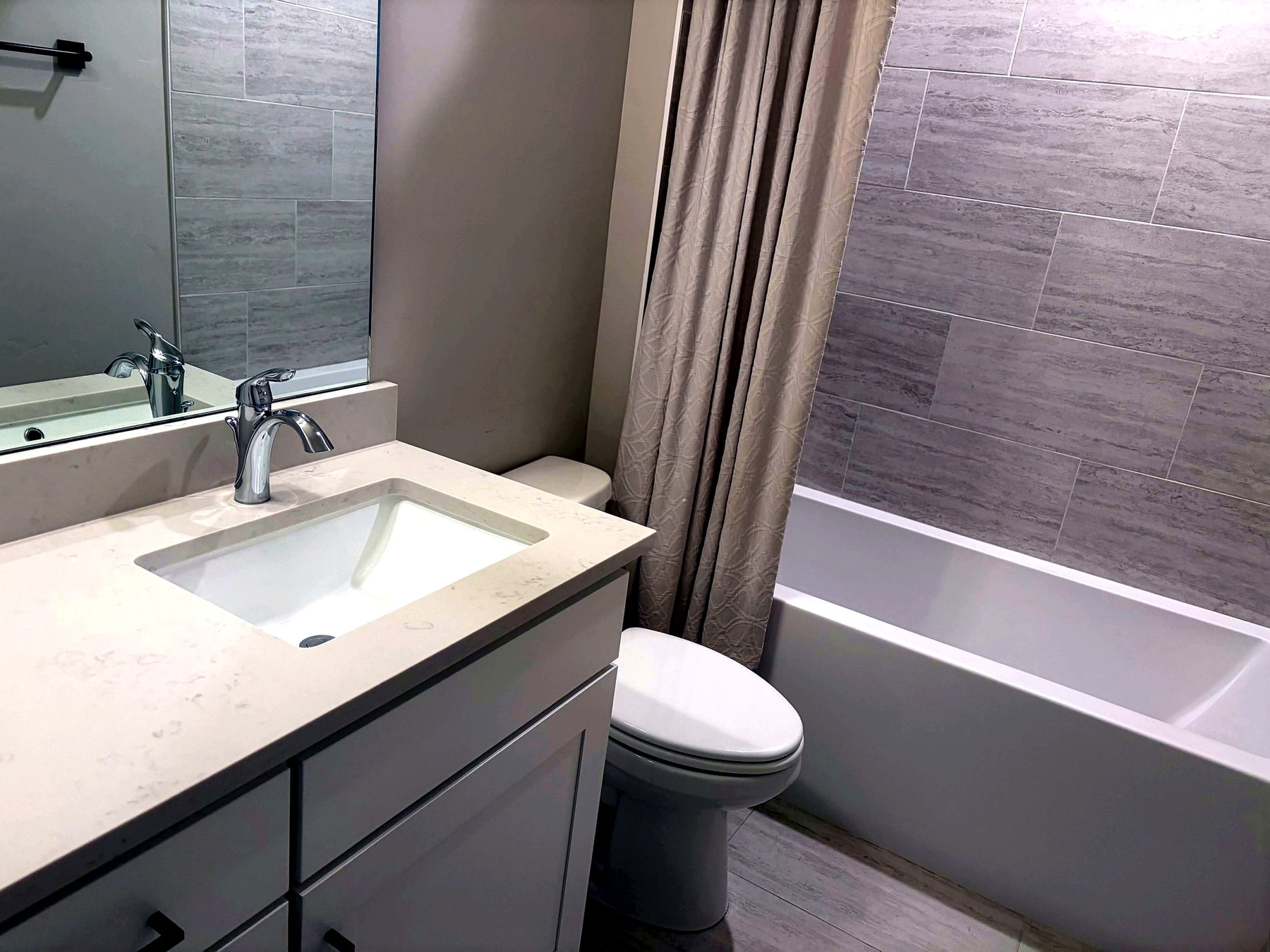
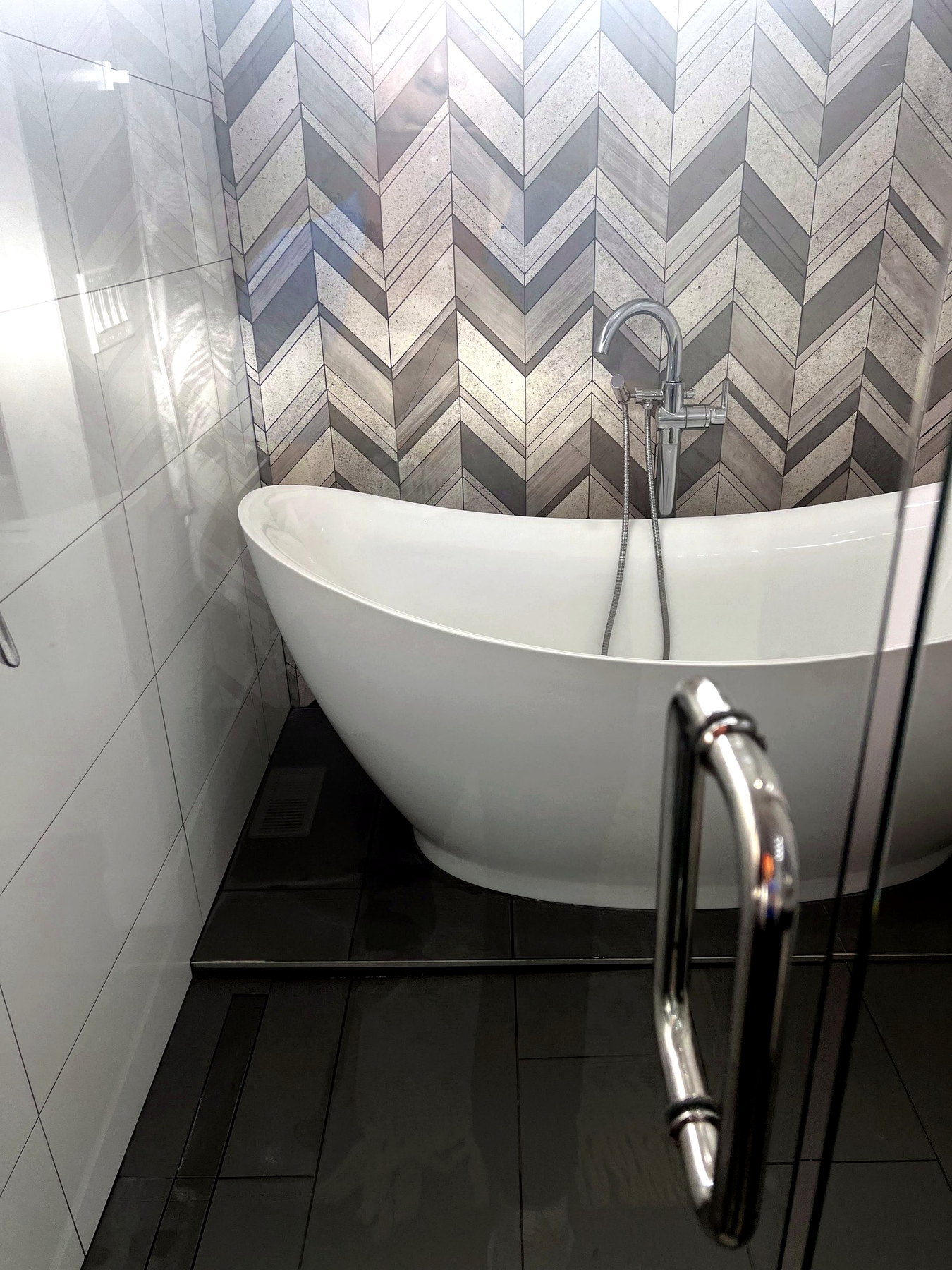
A deep clean addresses every surface in the bathroom from top to bottom. We start with exhaust fan covers, which collect dust and restrict airflow. Light fixtures are removed, cleaned, and reinstalled. Mirrors are cleaned edge to edge, including the often-neglected top and bottom edges. Shower doors get a full descaling treatment — we use specialized acidic cleaners that dissolve mineral buildup without etching glass, then polish the hardware.
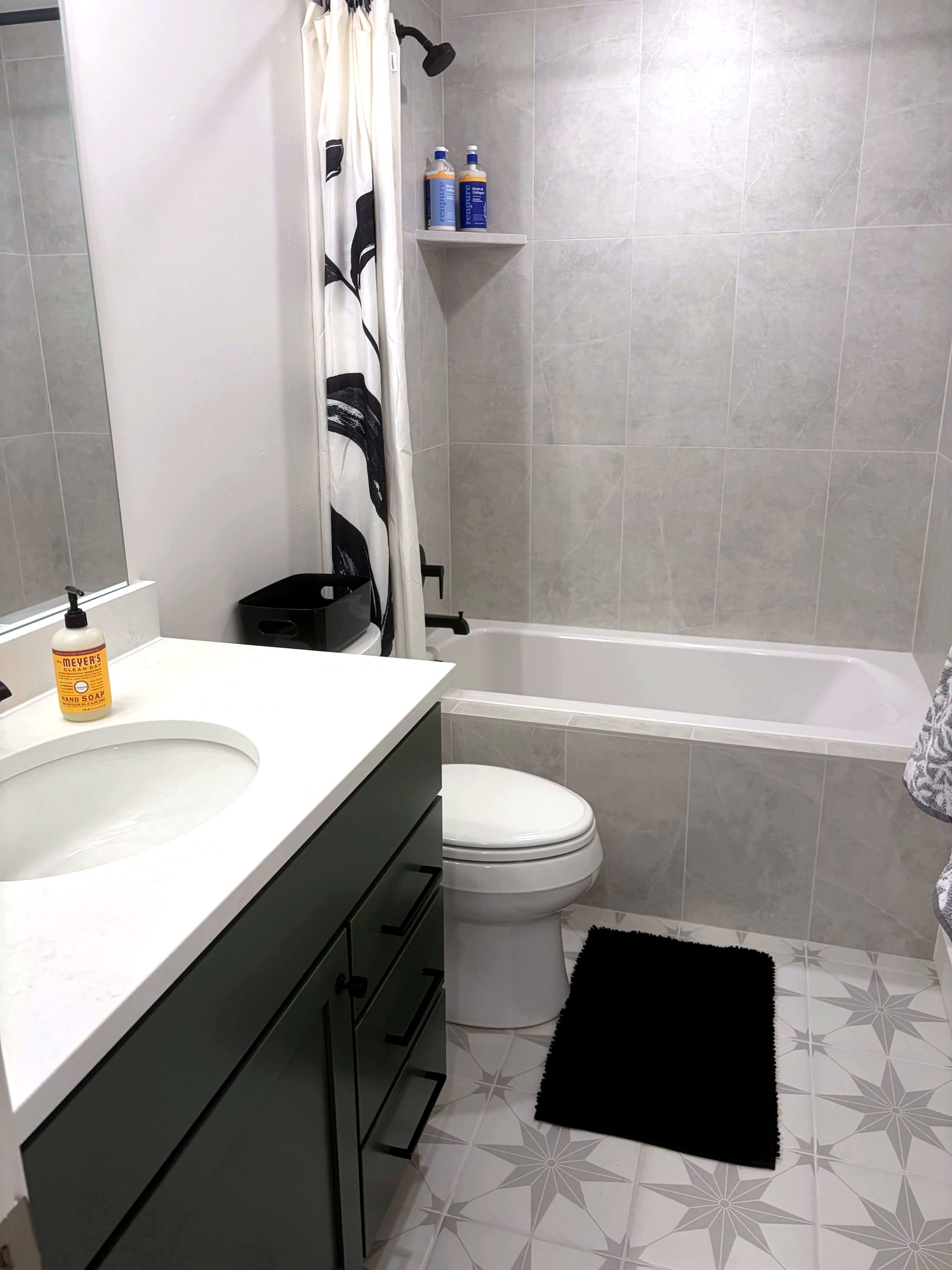
Inside the shower or tub, we scrub every tile and grout line. We clean behind the toilet, including the base where it meets the floor, and we address the often-overlooked areas behind and beside the vanity. Drawers and cabinets are emptied, wiped, and reorganized if requested. For homes with jetted tubs, we run a cleaning cycle to flush biofilm from the internal plumbing — a step many homeowners don't realize is necessary.
Bedrooms and Closets: More Than Making the Bed
In a standard cleaning, bedrooms get vacuumed, surfaces get dusted, and beds get made. A deep clean extends to the areas you rarely see. We move furniture to vacuum and mop underneath beds, dressers, and nightstands. Baseboards are wiped clean — in our dry mountain climate, they collect a surprising amount of dust, pet hair, and cobwebs in just a few weeks.
We clean all light fixtures, ceiling fan blades (both sides), and light switch plates. Window sills and tracks are vacuumed and wiped, removing the fine grit that blows in during windy spring days along the Wasatch Back. Closet shelves and rods are wiped down, and closet floors are vacuumed thoroughly.
For homes with wood or laminate flooring, we clean along every edge where the floor meets the baseboard — a spot where dust bunnies accumulate quickly. Mattresses can be vacuumed on request, which helps manage dust mites. In Park City vacation homes that sit empty between guest stays, bedrooms often need this level of attention simply because dust settles undisturbed for weeks at a time.
Living Areas and Common Spaces
Great rooms, family rooms, and living areas are where deep cleaning really transforms the feel of a home. We dust and wipe all surfaces, including the tops of bookshelves, entertainment centers, and picture frames. Upholstery is vacuumed, including under and between cushions — you'd be amazed at what accumulates in the crevices of a sofa over a season.
Fireplaces and hearths receive special attention. We clean the exterior surround, mantel, and hearth surface, removing soot stains and ash residue. Stone surrounds — common in mountain-contemporary homes throughout Promontory, The Colony, and Deer Valley — are cleaned with pH-appropriate products to avoid damaging natural stone.
Window interiors are cleaned during a deep clean, including the glass, frames, sills, and tracks. For homes with large picture windows framing Wasatch Range views, this makes a visible difference. We clean all door surfaces, including the tops of doors and door frames, which are dust magnets. Stair railings, banisters, and spindles are wiped individually.
Blinds and window treatments are dusted or vacuumed depending on the material. Air vents and cold-air returns are cleaned — a step that improves air quality and is particularly valuable in homes that have been closed up during shoulder seasons. If you're transitioning from a recurring cleaning schedule to a one-time deep clean, living areas are where you'll notice the most dramatic improvement.
Utility Spaces, Laundry Rooms, and Entryways
Deep cleaning doesn't stop at the main living areas. Laundry rooms get a full wipe-down, including the tops and sides of the washer and dryer, the lint trap housing, and the shelving above. We clean behind and beneath the machines if they can be safely moved. Utility sinks are scrubbed and descaled.
Mudrooms and entryways — essential in mountain homes where ski boots, hiking shoes, and snow-covered gear cycle through daily from November to April — receive thorough attention. Floors are scrubbed to remove salt and de-icer residue. Cubbies, benches, and coat hooks are wiped clean. Boot trays are emptied, washed, and replaced.
Garages can be included in a deep clean upon request. For homes in Heber City and the surrounding valley, where garages often double as workshops or storage for recreational equipment, a basic garage cleaning covers sweeping, cobweb removal, and surface wiping.
When Should You Schedule a Deep Clean?
Most homeowners benefit from a deep clean two to four times per year, with the most common timing being spring (after a winter of closed-up living), before the holidays, and at major transitions like a move-in or move-out. Vacation rental owners in Park City and Midway often schedule deep cleans before peak seasons — one in late November before ski season and another in late May before summer bookings ramp up.
A deep clean also makes an excellent starting point before beginning a recurring cleaning program. Starting with a clean slate means your regular maintenance cleanings can focus on keeping things fresh rather than battling accumulated grime. For short-term rental properties, periodic deep cleans between guest turnovers extend the life of furnishings and keep review scores high.
If you're not sure whether your home needs a deep clean or a standard cleaning, contact our team for a consultation. We'll walk through your home's specific needs — square footage, number of bathrooms, pet situation, last deep clean date — and recommend the right service. Our crews serve homes throughout Summit County and Wasatch County, from Old Town condos to sprawling ranch properties in the Kamas Valley.
Frequently Asked Questions
How long does a deep clean take compared to a regular cleaning?
A deep clean typically takes two to three times longer than a standard cleaning. For a 2,500-square-foot home, expect four to six hours with a two-person crew. Larger mountain homes with multiple levels and bathrooms may require a full day. The exact time depends on the home's condition, how long it's been since the last deep clean, and specific areas of focus you request.
Do I need to be home during the deep clean?
No. Many of our clients in Park City and Heber City provide a door code or lockbox access, especially for vacation properties. We do recommend being available by phone for the first deep clean in case our team has questions about specific surfaces, delicate items, or areas you'd like us to skip.
Will a deep clean remove hard water stains from my glass shower doors?
In most cases, yes. Our teams use professional descaling products specifically formulated for the mineral-heavy water common in Summit and Wasatch Counties. Severe buildup that has been accumulating for years may require a specialized glass restoration treatment, which we can arrange separately. Regular deep cleans prevent buildup from reaching that point.
What's the difference between a deep clean and a move-out clean?
A move-in/move-out clean includes everything in a deep clean plus additional tasks specific to property transitions: cleaning inside all cabinets and closets (including top shelves), cleaning the interior of the refrigerator and oven to like-new condition, and ensuring the home meets landlord or property management inspection standards.
How often should I schedule a deep clean if I also have recurring cleaning?
For homes with weekly or biweekly recurring cleaning, we recommend a deep clean twice a year — once in spring and once in fall. Homes with monthly recurring cleaning benefit from quarterly deep cleans. Your cleaning specialist can help you find the right balance based on your home's size, usage, and the specific challenges of your location.