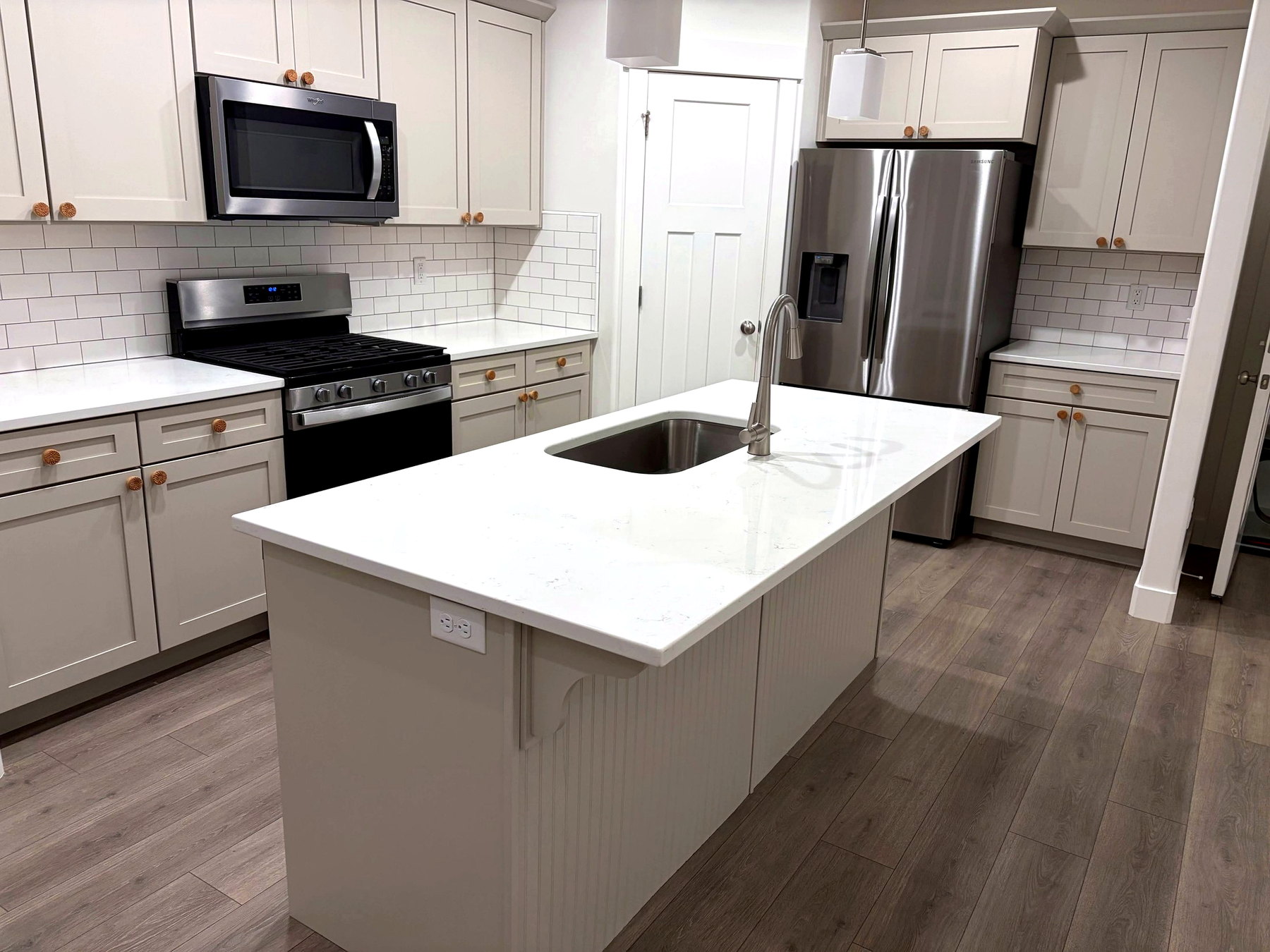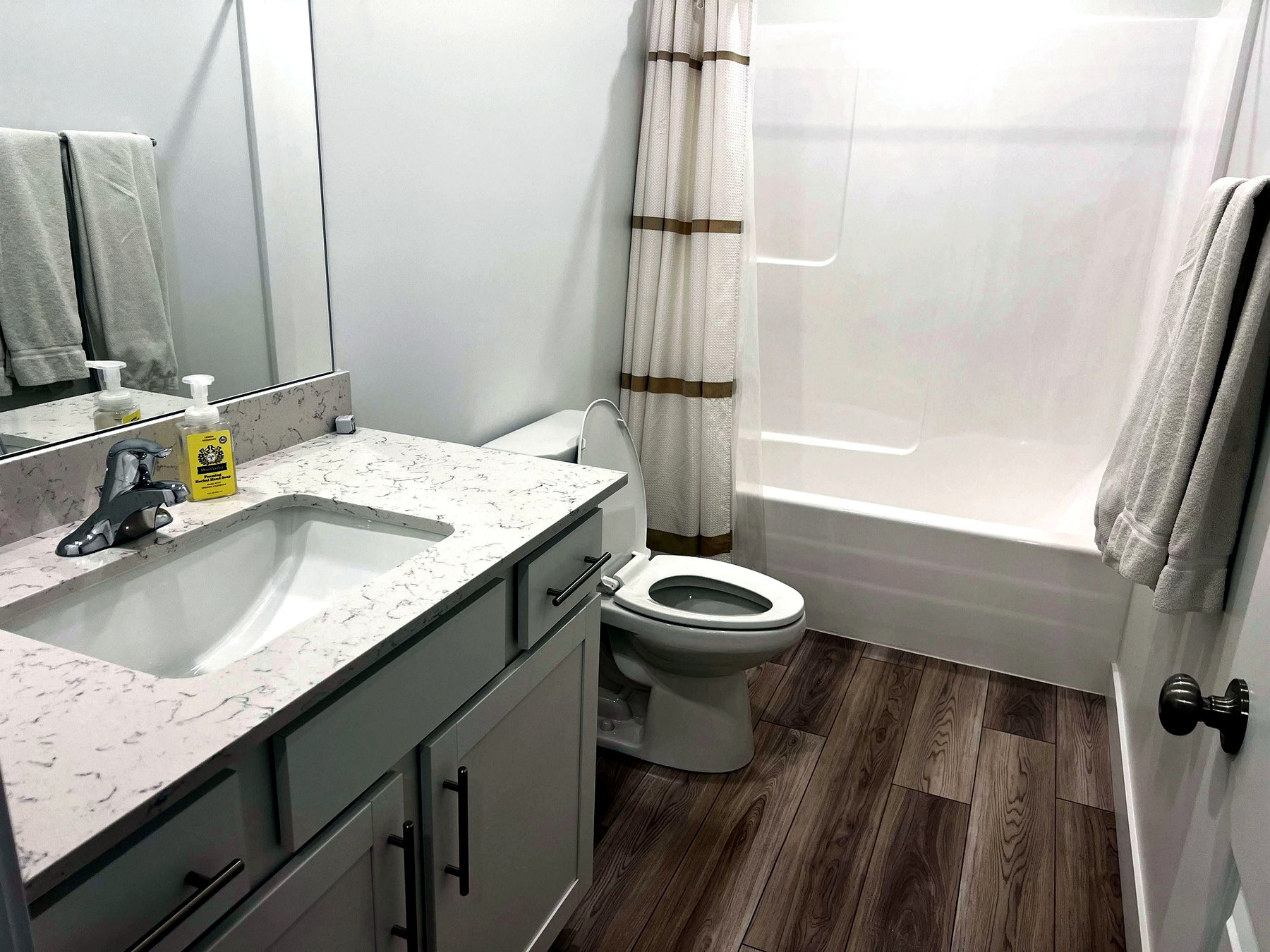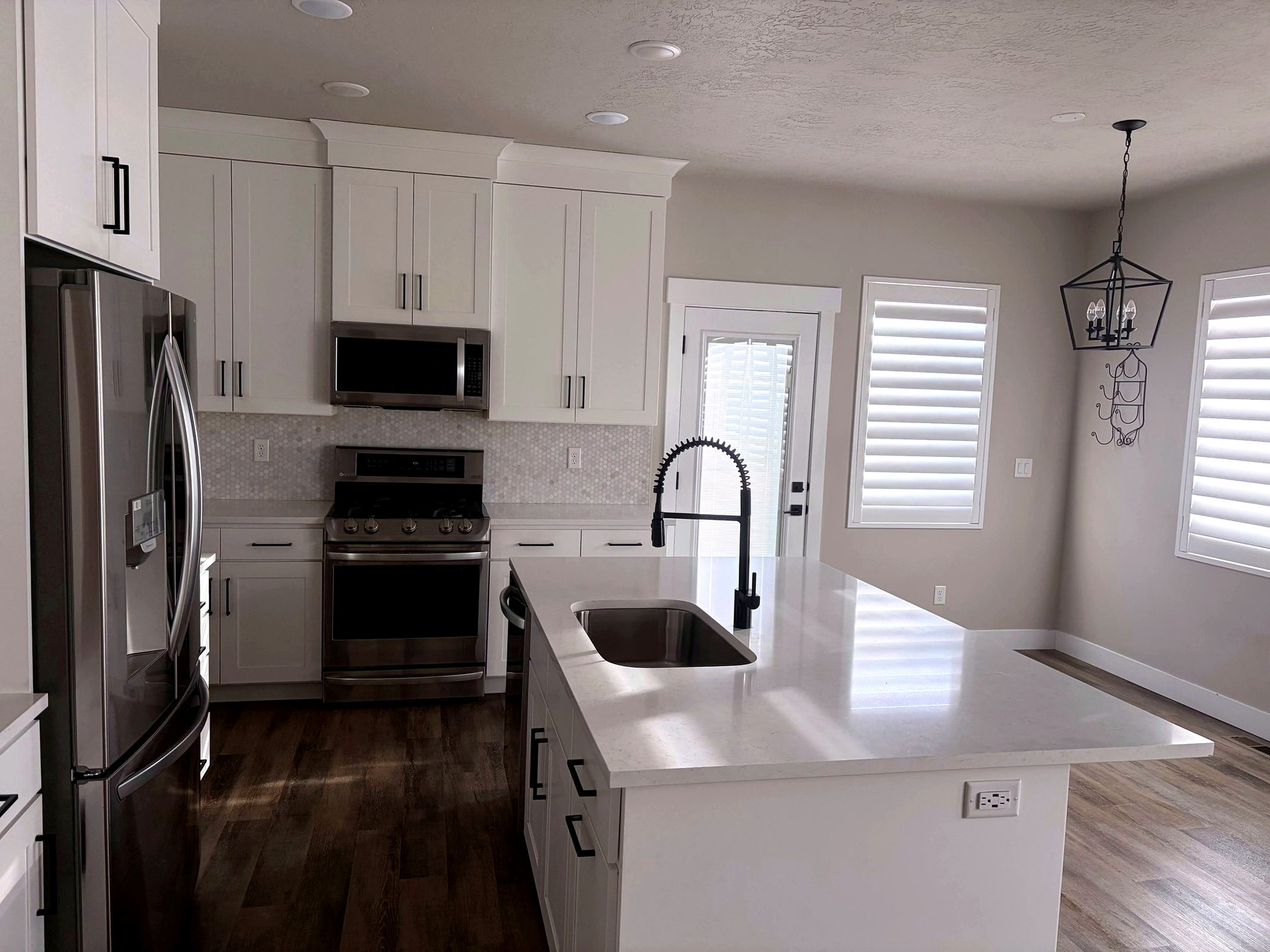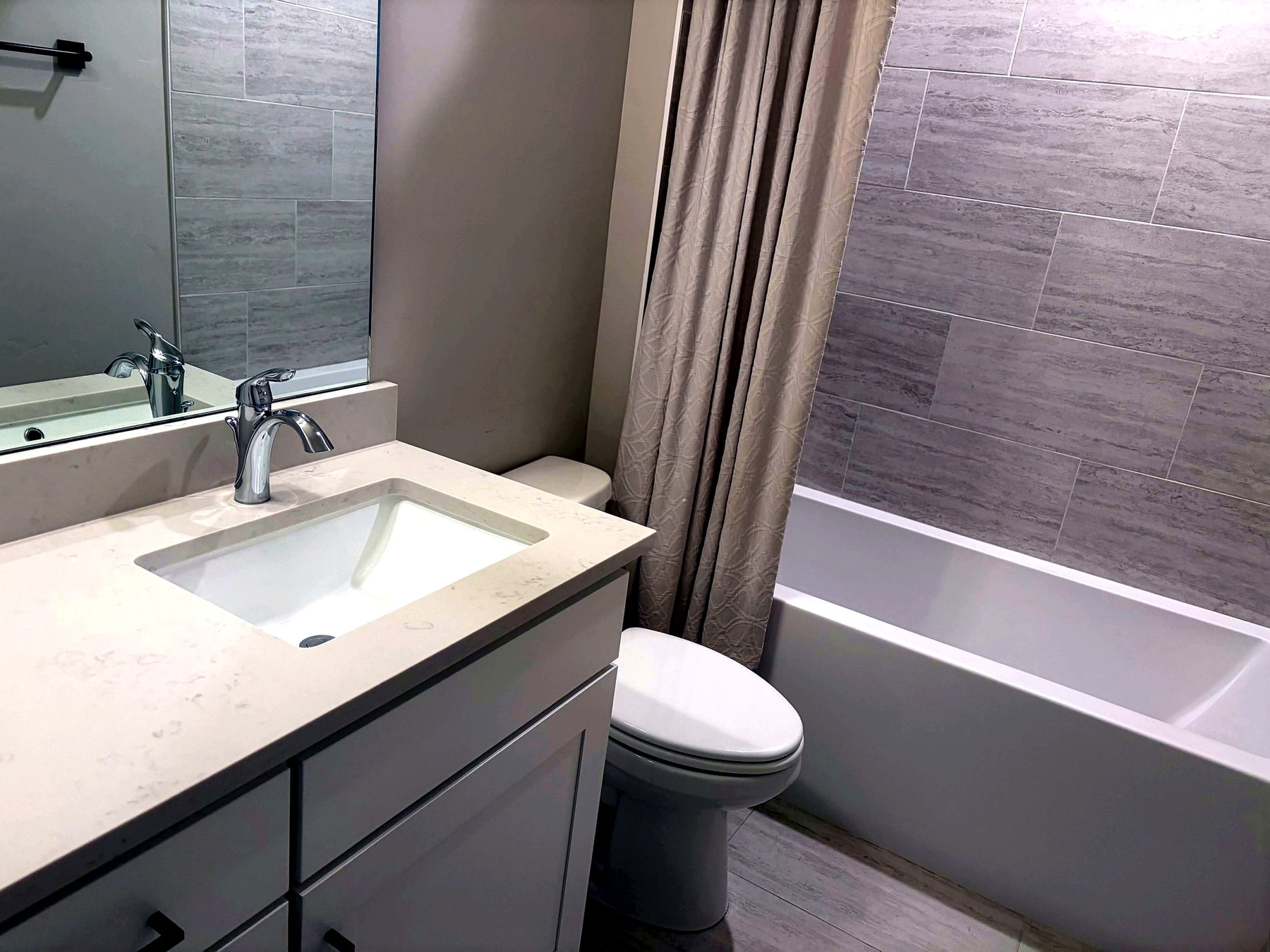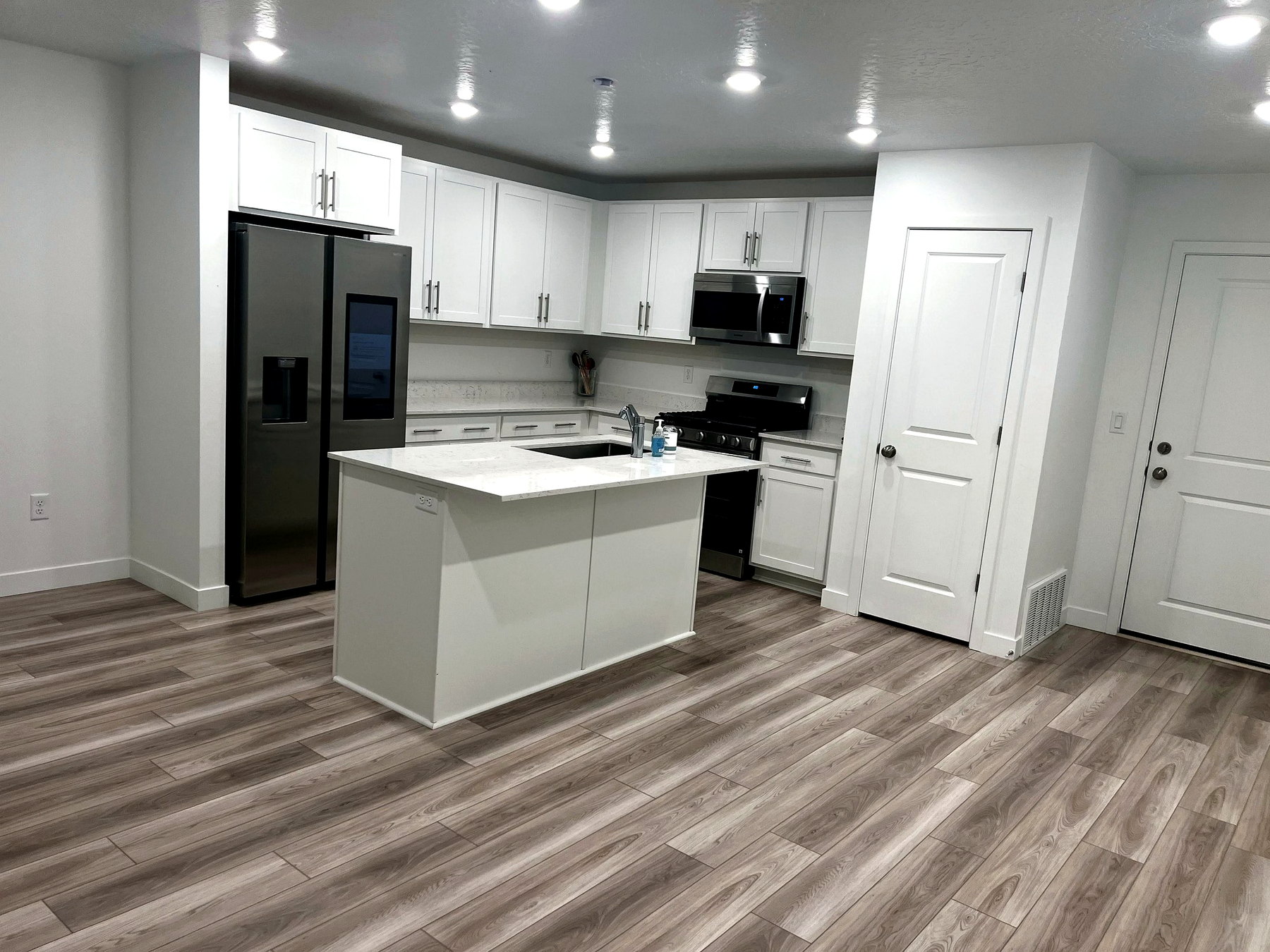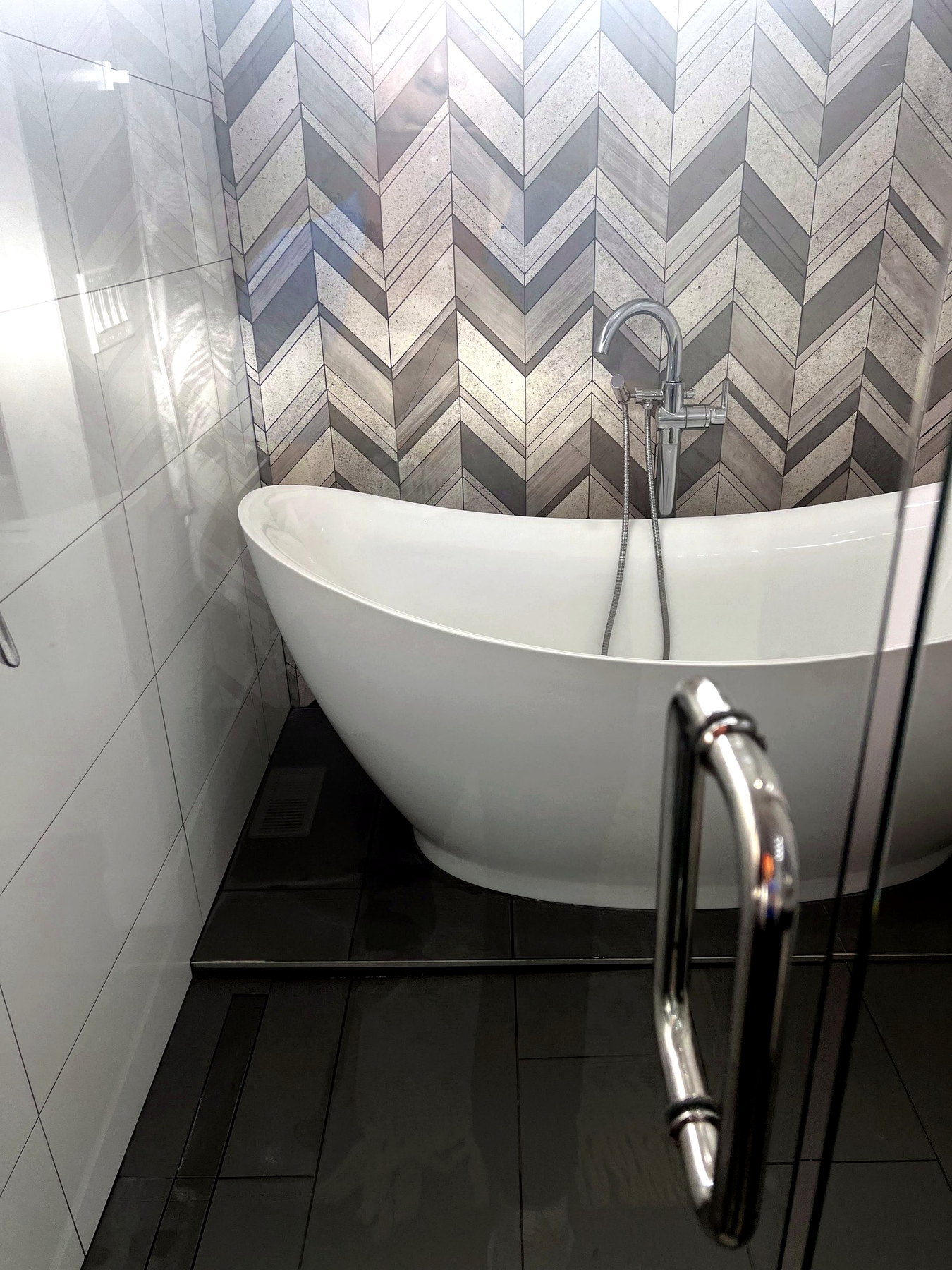

New construction in the Heber Valley is booming, but the builder clean that comes with your new home barely scratches the surface. Here is what post-construction cleaning actually requires.
New Construction in the Heber Valley Is Booming — and the Dust Is Real
Drive along Highway 40 between Heber City and Midway and you will see it everywhere: framed-up skeletons of new homes, concrete trucks turning onto freshly graded roads, and construction crews working through the short building season that the Heber Valley allows. From the new subdivisions south of Heber near the airport to the custom builds scattered along the benches above Midway, residential construction is reshaping the valley.
What most new homeowners discover — usually on their final walkthrough or the first week after closing — is that a brand-new house is not a clean house. Construction leaves behind a specific, pervasive kind of mess that goes far beyond what a broom and dustpan can address. Fine drywall dust coats every surface, including the ones you cannot see. Sawdust hides in ductwork. Adhesive residue clings to windows and countertops. Paint overspray speckles tile floors. Grout haze dulls what should be gleaming bathroom tile.
Post-construction cleaning is a distinct category of work. It requires different techniques, different products, and a different level of thoroughness than standard residential cleaning. And in the Heber Valley, where new builds often feature high-end finishes — natural stone, custom cabinetry, hardwood flooring — getting it wrong can mean permanent damage to materials that cost thousands of dollars.
What Builders Leave Behind (Even the Good Ones)
Let us be clear: this is not about bad builders. Even the most meticulous general contractor working in Wasatch County will hand over a home that needs professional post-construction cleaning. The construction process itself generates mess that cannot be fully prevented, only addressed after the fact.
Drywall Dust
This is the single biggest issue in any new build. Drywall dust is extraordinarily fine — measured in microns — and it gets everywhere. It coats the insides of cabinets that were installed before mudding and taping were finished. It settles inside electrical outlets, on top of ceiling fan blades, inside light fixtures, and throughout the HVAC ductwork. A home that looks clean to the naked eye can still have drywall dust lingering in places that will redistribute into the air the first time you run the furnace.
Standard vacuums often make the problem worse by blowing fine particles back into the air. Post-construction cleaning requires HEPA-filtered equipment and a systematic approach — working from top to bottom, room by room, to ensure dust is actually captured rather than just relocated.
Window and Glass Residue
New windows arrive from the manufacturer with protective film, stickers, and sometimes a light adhesive coating. Builders add their own layer of mess: paint overspray, stucco splatter, caulking smears, and fingerprints from installation. Cleaning new windows properly means removing all manufacturer residue without scratching the glass, then addressing any construction splatter with appropriate solvents that will not damage window frames or seals.
Flooring Issues
New hardwood floors often have a film of construction dust that dulls their finish. Tile floors typically have grout haze — a chalky residue left from the grouting process that makes tile look cloudy and dull. LVP and laminate floors collect scuff marks from boots and dropped tools. Each flooring type requires a specific cleaning approach. Using the wrong product on sealed hardwood, for example, can strip the finish or leave a sticky residue that attracts more dirt.
Cabinet and Countertop Prep
Kitchen and bathroom cabinets in a new build have never been cleaned. The interiors carry sawdust, packaging debris, and sometimes adhesive residue from shelf liners that were installed and removed during construction. Countertops — especially natural stone like the granite and quartzite popular in Heber Valley custom homes — may have sealant residue, grout dust, or minor adhesive spots that need careful removal without damaging the stone surface.
Why the Builder Cleaning Is Not Enough
Most construction contracts include a "builder clean" or "broom clean" as part of the scope. This typically means the construction crew does a basic sweep, wipes down visible surfaces, and removes obvious debris. It is not a professional cleaning. Builder cleans are performed by construction workers, not cleaning professionals, and they use whatever is on the job site — often just shop rags and a push broom.
The gap between a builder clean and a move-in-ready home is significant. We regularly perform post-construction cleaning on homes in the Heber Valley where the builder clean has already been completed, and the amount of remaining dust, residue, and debris is substantial. This is not a reflection of the builder's quality — it is simply the reality that construction crews and cleaning professionals have very different standards and very different tools.
A proper post-construction clean bridges that gap. It transforms a newly built structure into a home that is genuinely ready for furniture, belongings, and the people who will live there. This is closely related to move-in/move-out cleaning, but with additional steps specific to new construction.
The Post-Construction Cleaning Process
Professional post-construction cleaning in the Heber Valley typically follows a phased approach. Trying to do everything in a single pass is inefficient because construction dust resettles after initial cleaning, requiring follow-up.
Phase One: Rough Clean
This happens immediately after construction is substantially complete but before finish work like final paint touch-ups. The focus is on removing bulk debris — leftover construction materials, packaging, large dust accumulations, and any items left behind by subcontractors. This phase also includes an initial wipe-down of all surfaces and a thorough vacuum of all floors, including inside closets and mechanical rooms.
Phase Two: Detail Clean
After the rough clean and any remaining finish work, the detail clean addresses every surface in the home. This is the most labor-intensive phase. It includes:
- Cleaning inside every cabinet, drawer, and closet
- Removing grout haze from all tile surfaces
- Cleaning all windows inside and out, removing manufacturer stickers and residue
- Wiping down all trim, baseboards, door frames, and hardware
- Cleaning all light fixtures and ceiling fans
- Scrubbing all bathroom fixtures — tubs, showers, toilets, vanities
- Cleaning all appliance interiors and exteriors
- Detailed floor cleaning appropriate to each surface type
- Vent and register cleaning
Phase Three: Final Touch
After the detail clean, we allow 24 to 48 hours for any remaining airborne dust to settle, then perform a final pass. This lighter touch addresses the resettled dust and ensures every surface is genuinely clean. This is the step that most DIY post-construction cleanups miss, and it is the reason people move into new homes and find dust coating their belongings within the first week.
Protecting High-End Finishes
The Heber Valley market includes a significant number of custom and semi-custom homes with premium materials. We see a lot of natural stone countertops, handmade tile, custom millwork, solid hardwood flooring, and designer fixtures. These materials require specific care during post-construction cleaning.
Natural stone, for example, is porous and can be permanently stained by acidic or abrasive cleaning products. The quartzite and marble countertops common in higher-end Midway and Heber City homes need pH-neutral cleaners and soft cloths — never scouring pads or standard bathroom cleaners. Hardwood floors need manufacturer-approved cleaning solutions, not generic floor cleaners that can compromise the finish.
A deep cleaning service that understands these materials will protect your investment rather than inadvertently damaging it. We have seen well-intentioned cleaners scratch brand-new stainless steel appliances with abrasive pads, dull natural stone with acidic cleaners, and strip hardwood finishes with too-wet mopping. These are expensive mistakes on surfaces that are literally days old.
Timing Your Post-Construction Clean
Timing matters in new construction. Clean too early and subsequent work (final paint touch-ups, fixture installation, landscaping) will create new mess. Clean too late and you are moving furniture into a dusty house and tracking construction residue into every room.
The ideal timing in the Heber Valley building cycle works like this: schedule the rough clean for immediately after substantial completion. Schedule the detail clean after all punch-list items are addressed and the final inspection is complete. Schedule the final touch 24 to 48 hours after the detail clean, ideally the day before your move-in date.
If you are building in Wasatch County, coordinate with your builder and your cleaning team early. During the busy summer building season, professional cleaning crews in the valley book up quickly. We recommend scheduling your post-construction clean at least three to four weeks in advance, especially for larger homes or custom builds that require extra attention.
What It Costs and Why It Is Worth It
Post-construction cleaning costs more than standard residential cleaning. The labor hours are higher, the equipment requirements are more specialized, and the multi-phase approach means multiple visits. For a typical new build in the Heber Valley — say, a 2,500 to 3,500 square foot home — post-construction cleaning generally involves two to three days of work across the phased approach.
The investment is worthwhile for several reasons. First, it protects the finishes and materials you just paid for. Second, it ensures your HVAC system is not circulating construction dust through brand-new ductwork. Third, it means your move-in is actually pleasant rather than a dusty ordeal. And fourth, it sets a clean baseline that makes ongoing maintenance — whether through recurring cleaning or your own efforts — far more manageable.
If you are building or buying new construction in the Heber Valley, Sun Ray Cleaning provides comprehensive post-construction cleaning tailored to the finishes and materials in your specific home. We work with builders and homeowners throughout Heber City, Midway, and the surrounding Wasatch County area. Contact us to schedule your post-construction clean and start life in your new home the way it should begin — with clean surfaces, clear air, and zero drywall dust.
Frequently Asked Questions
Is post-construction cleaning different from a regular deep clean?
Yes, significantly. Post-construction cleaning addresses construction-specific residue — drywall dust, grout haze, adhesive residue, paint overspray, and manufacturer stickers — that a standard deep clean is not designed to handle. It also requires specialized HEPA-filtered equipment and a multi-phase approach to account for dust resettlement. The products and techniques differ based on the new materials in the home.
How long does post-construction cleaning take for a new home in the Heber Valley?
For a typical 2,500 to 3,500 square foot home, expect two to three days of work spread across the phased approach — rough clean, detail clean, and final touch. Larger custom homes or properties with extensive natural stone, custom tile, or complex architectural details may require additional time. We provide a specific estimate after assessing the property.
Should I have the HVAC ducts cleaned as part of post-construction cleaning?
We strongly recommend it. Construction dust accumulates in ductwork during the building process, and the first time you run the system, that dust circulates through every room in the house. Duct cleaning is typically performed by a specialized HVAC contractor and works best when coordinated with the post-construction cleaning schedule — ideally before the final touch phase.
Can I do post-construction cleaning myself?
You can attempt it, but most homeowners underestimate both the time required and the risk to new finishes. Without HEPA-filtered equipment, you will redistribute drywall dust rather than remove it. Without knowledge of material-specific cleaning products, you risk damaging new surfaces. Most homeowners who try DIY post-construction cleaning end up calling a professional after discovering persistent dust problems in the weeks after move-in.
Do you work directly with builders in the Heber Valley?
Yes. We coordinate with several builders and general contractors throughout Wasatch County to schedule post-construction cleaning as part of the project timeline. This ensures the cleaning happens at the right point in the construction process and does not conflict with remaining punch-list work or final inspections.