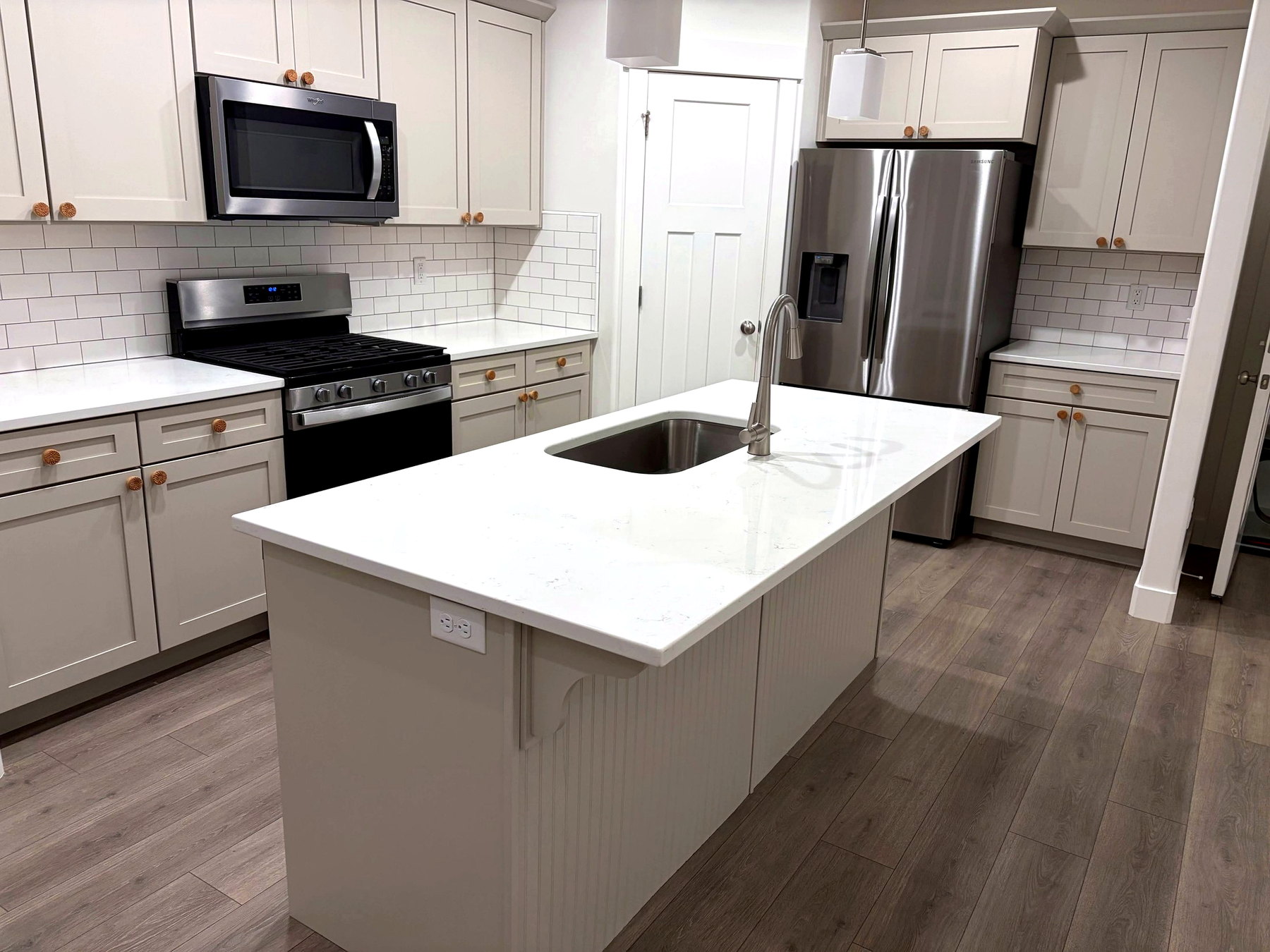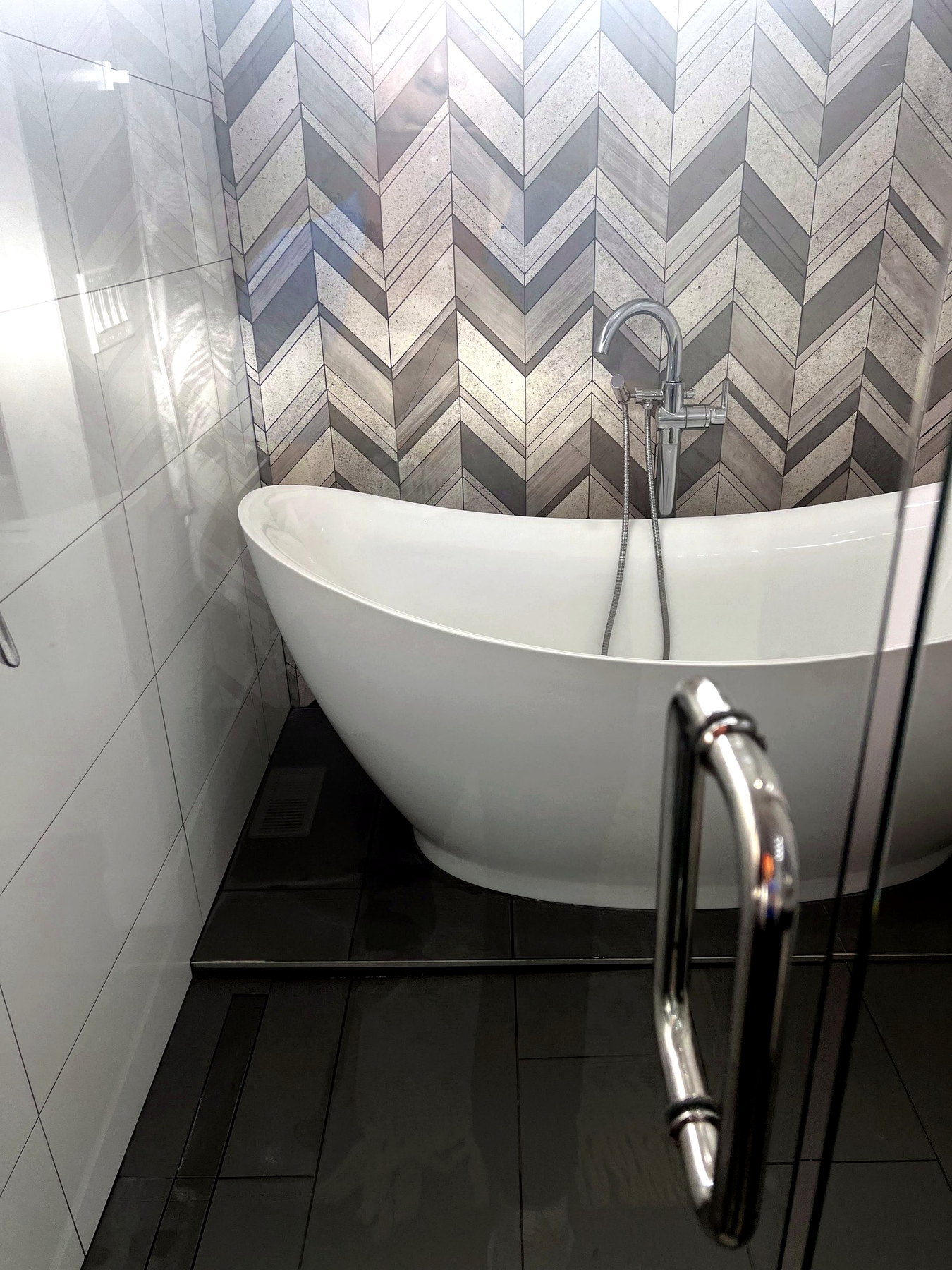

Owning a cabin near Jordanelle Reservoir or Deer Creek means weekend escapes, lake days, and the kind of seasonal wear that requires a different cleaning approach than a full-time home.
The Reality of Owning a Cabin Near Jordanelle or Deer Creek
There is something deeply satisfying about pulling up to your cabin on a Friday evening, knowing that the weekend stretches out ahead of you with nothing but reservoir water and mountain air. Jordanelle and Deer Creek attract this exact kind of owner — people who bought a place in Wasatch County specifically for weekends on the water, summer paddleboarding sessions, and winter escapes that feel a world away from the Wasatch Front.
But here is the part nobody talks about at closing: a cabin that sits empty five days a week collects dust, critters, and problems at an alarming rate. The dry mountain air at 6,000-plus feet pulls moisture out of everything, and fine silt from the surrounding terrain works its way through every gap in a structure. You arrive Friday evening expecting relaxation and instead spend the first two hours wiping down counters, shaking out bedding, and wondering what that smell is near the mudroom.
We clean cabins and homes around both reservoirs regularly, and the pattern is consistent. Weekend properties near Jordanelle and Deer Creek face a specific set of challenges that full-time residences simply do not. Understanding those challenges is the first step to actually enjoying the cabin you bought.
Why Weekend Cabins Get Dirtier Than You Think
A home that is lived in daily benefits from constant, low-level maintenance. You wipe the counter after breakfast. You run the vacuum when you notice dog hair. The HVAC system circulates air regularly because the thermostat stays at a livable temperature. A weekend cabin gets none of that.
Between visits, the cabin sits still. Dust settles on every horizontal surface. In the Jordanelle area — particularly along the stretch from Ross Creek to Rock Cliff — the surrounding terrain is a mix of sage, clay-heavy soil, and decomposed granite. That material becomes airborne dust that infiltrates cabins through window seals, door frames, and ventilation intakes. After just five days of stillness, you can run a finger along a windowsill and leave a visible trail.
Deer Creek properties face similar issues but with an added wrinkle: proximity to the reservoir means higher humidity swings. When temperatures drop at night, condensation can form on windows and cold surfaces, creating an environment where mildew gets a foothold in bathrooms and utility closets. We have cleaned cabins along the eastern shore of Deer Creek where mildew appeared on grout lines within two weeks of the last cleaning, simply because the bathroom fan was not running between visits.
Water Recreation Wear and Tear
The whole point of owning near Jordanelle or Deer Creek is the water. But water recreation brings a specific kind of mess that requires more than a quick mop. Sand, silt, and reservoir sediment get tracked through entryways. Wet swimsuits and towels left behind develop mildew fast at altitude. Life jackets and wetsuits stored in mudrooms or garages leave behind a musty, damp odor that permeates the cabin over the week.
We commonly find dried mud caked into boot trays, fishing gear residue on garage floors, and sand embedded in entryway rugs and carpet runners. A standard surface-level wipe will not address this. These cabins benefit from periodic deep cleaning that targets the areas where recreation gear meets living space — mudrooms, garages, bathroom floors, and laundry areas.
Seasonal Considerations for Reservoir Cabins
Spring Opening
After a winter of sporadic use (or no use at all), reservoir cabins need a thorough opening-season clean. Mouse droppings in pantries, dead insects on windowsills, and dust accumulation on ceiling fans and light fixtures are standard. If the water was shut off for winter, the first run through the plumbing often kicks up sediment that settles in sink basins and tub drains. A spring deep clean sets the baseline for the entire summer season.
Summer Peak
June through September, these cabins see their heaviest use. Families come up every weekend, sometimes hosting guests. The kitchen works overtime. Outdoor entertaining spaces — decks overlooking Jordanelle, patios facing the Deer Creek shoreline — accumulate pollen, cottonwood fluff, and wildfire ash depending on the year. Setting up recurring cleaning during summer months means arriving to a cabin that is actually ready for the weekend, rather than spending half of Saturday catching up.
Fall Transition
As the reservoirs draw down and the aspens turn along the hillsides above Heber City, cabin use tapers off. This is the time for a thorough cleaning before winter — clearing out pantry items that might attract mice, deep cleaning kitchen appliances, and making sure bathrooms are treated with mildew-resistant products that will hold through the low-use months.
Winter
Some cabin owners use their places year-round for snowmobiling, ice fishing, or skiing at Deer Valley or Soldier Hollow. Winter brings its own cleaning challenges: road salt tracked inside, boot mud, and the omnipresent fine powder dust that seems worse when heating systems run constantly. Cabins that are not winterized need attention to ensure pipes and plumbing areas stay clean and accessible for monitoring.
What a Weekend-Owner Cleaning Schedule Looks Like
We have worked with enough weekend cabin owners around both reservoirs to have developed a practical approach. The specifics depend on the property, but the general framework works well for most Jordanelle and Deer Creek homes.
Every visit (or weekly during peak season): Surface cleaning of kitchen and bathrooms, vacuuming main living areas and entryways, taking out trash, checking for any pest evidence, wiping down high-touch surfaces. This is the kind of work that makes your Friday arrival feel like arriving at a clean cabin rather than a project. Many owners schedule this through a recurring cleaning service to happen Thursday or Friday before they arrive.
Monthly: More thorough attention to areas that accumulate grime over time — inside the refrigerator, microwave and oven interiors, window tracks, baseboards, ceiling fan blades, and light fixtures. This level of cleaning catches the buildup before it becomes a larger problem.
Seasonally: Full deep cleaning service at the start and end of each major use season. Spring opening and fall closing cleans are the most critical. These include everything from moving furniture to clean behind it, scrubbing tile grout, treating wood surfaces, cleaning inside all cabinets and closets, and addressing any pest or moisture issues that developed during low-use periods.
The Rental Overlap: When Your Cabin Does Double Duty
Many cabin owners near Jordanelle and Deer Creek rent their properties on weekends they are not using them. This is especially common along the Highway 40 corridor and in the newer developments near Jordanelle Village. The rental income helps cover the mortgage, but it also introduces a completely different cleaning requirement.
Rental turnovers demand a higher standard than personal-use cleaning. Guests expect hotel-level cleanliness. Linens need to be laundered and staged. Bathrooms need to be spotless. Every surface needs to be wiped. This is the territory of short-term rental cleaning, and it operates on a tighter timeline with stricter standards than a personal cabin cleanup.
If you rent your cabin even occasionally, it is worth having a cleaning team familiar with both your personal preferences and rental-standard requirements. The worst situation is when a cleaning team treats a rental turnover like a casual clean and the next guest leaves a three-star review because they found crumbs in the silverware drawer.
Choosing the Right Cleaning Partner for Reservoir Properties
Cabins near Jordanelle and Deer Creek are not downtown condos. They are often on unpaved roads, at the end of long driveways, and built with materials — knotty pine, stone, exposed timber — that require specific cleaning approaches. A cleaning team that primarily works in urban settings may not understand that you cannot use the same all-purpose cleaner on sealed pine paneling that you would on painted drywall.
Local knowledge matters. A Wasatch County cleaning service that regularly works in the area knows about the dust, the water issues, the pest patterns, and the access challenges. They know that the road to your cabin off the Jordanelle Parkway might be muddy in spring and icy in winter. They know to check the crawl space door for evidence of critters after the first hard freeze.
At Sun Ray Cleaning, we work with weekend owners throughout the Heber City and Midway areas, including properties along both reservoirs. We understand the rhythm of weekend ownership and build cleaning schedules that match how you actually use your cabin. Whether you need a quick Thursday clean before your Friday arrival or a full seasonal deep clean, we structure our service around your schedule, not ours.
If you are tired of spending the first hours of every weekend cleaning a cabin that was supposed to be your escape, reach out to our team and we will build a plan that actually works for your property.
Frequently Asked Questions
How often should I have my weekend cabin cleaned if I visit every other weekend?
For cabins near Jordanelle or Deer Creek that are used biweekly, we recommend a light clean before each visit (surface wipe, vacuum, bathroom refresh) and a more thorough monthly clean that covers appliance interiors, window tracks, and baseboards. A full deep clean at the start and end of each season rounds out the schedule. This prevents the buildup that makes every arrival feel like a cleaning day.
Can the same cleaning team handle both personal-use cleanings and rental turnovers?
Yes, and it is actually preferable. A team that knows your cabin can switch between personal-use cleaning (focused on your preferences and problem areas) and rental turnover cleaning (focused on guest-ready standards and linen staging) without missing a beat. We maintain separate checklists for each mode so nothing falls through the cracks.
What is the biggest cleaning challenge for cabins near the reservoirs?
Dust and sediment are the primary ongoing challenge. The terrain around both Jordanelle and Deer Creek produces fine particulate that works into cabins through every opening. Close behind that is moisture-related mildew, especially in bathrooms and utility areas of Deer Creek properties. A consistent cleaning schedule and proper ventilation between visits address both issues effectively.
Do you clean cabins that are on unpaved or difficult-access roads?
We regularly clean properties on unpaved roads throughout Wasatch County, including the more remote areas around both reservoirs. We do ask about road conditions during winter and early spring mud season, as some roads become temporarily impassable. We will communicate proactively if access is an issue for a scheduled cleaning.
Should I leave the heat on between visits to reduce cleaning issues?
Keeping the thermostat at a minimum of 55 degrees year-round helps prevent pipe issues and reduces the extreme temperature swings that contribute to condensation and mildew. It also keeps air circulating, which reduces dust settlement. The modest energy cost is well worth it compared to the mildew remediation or burst-pipe cleanup you might face otherwise.