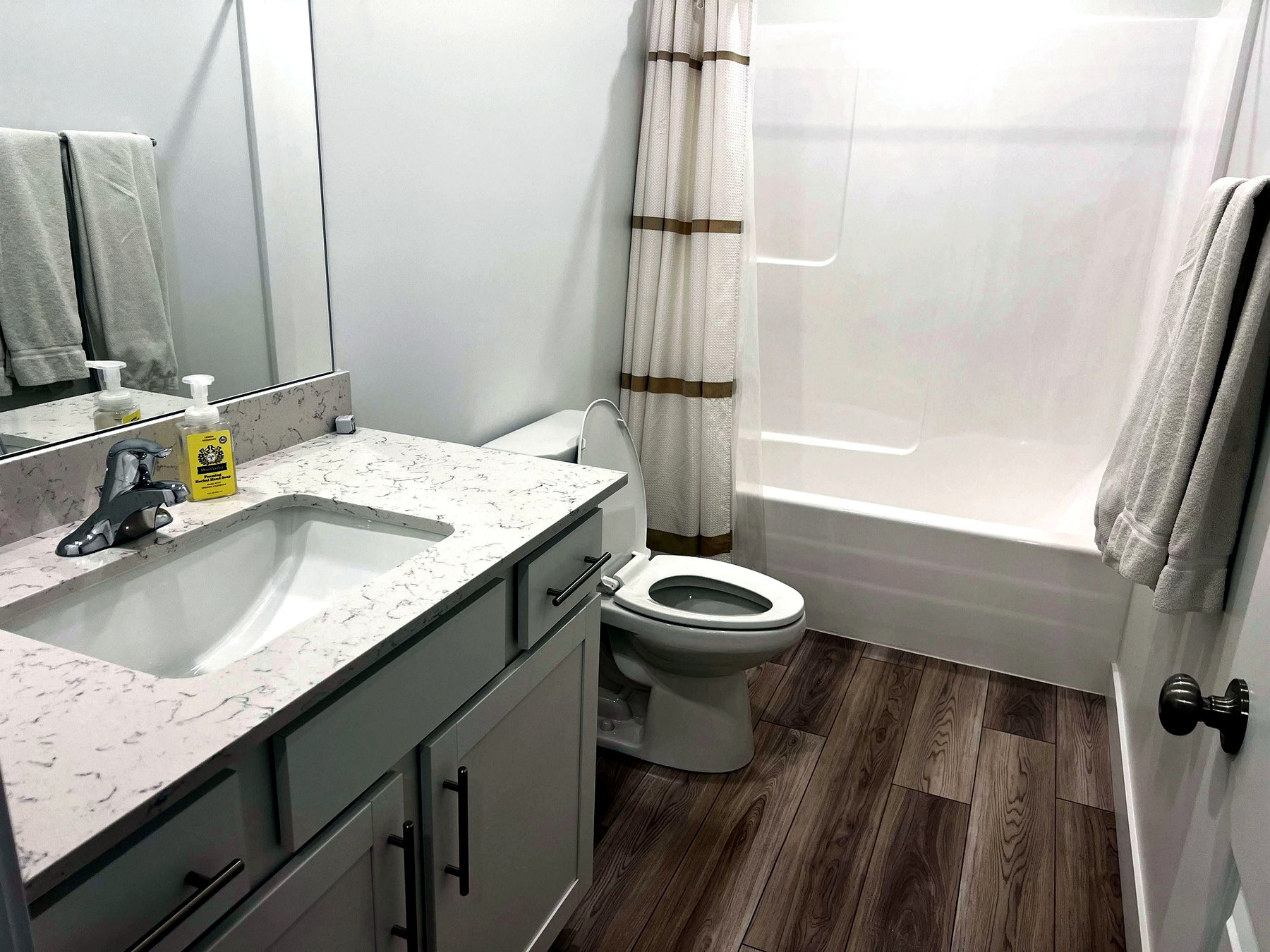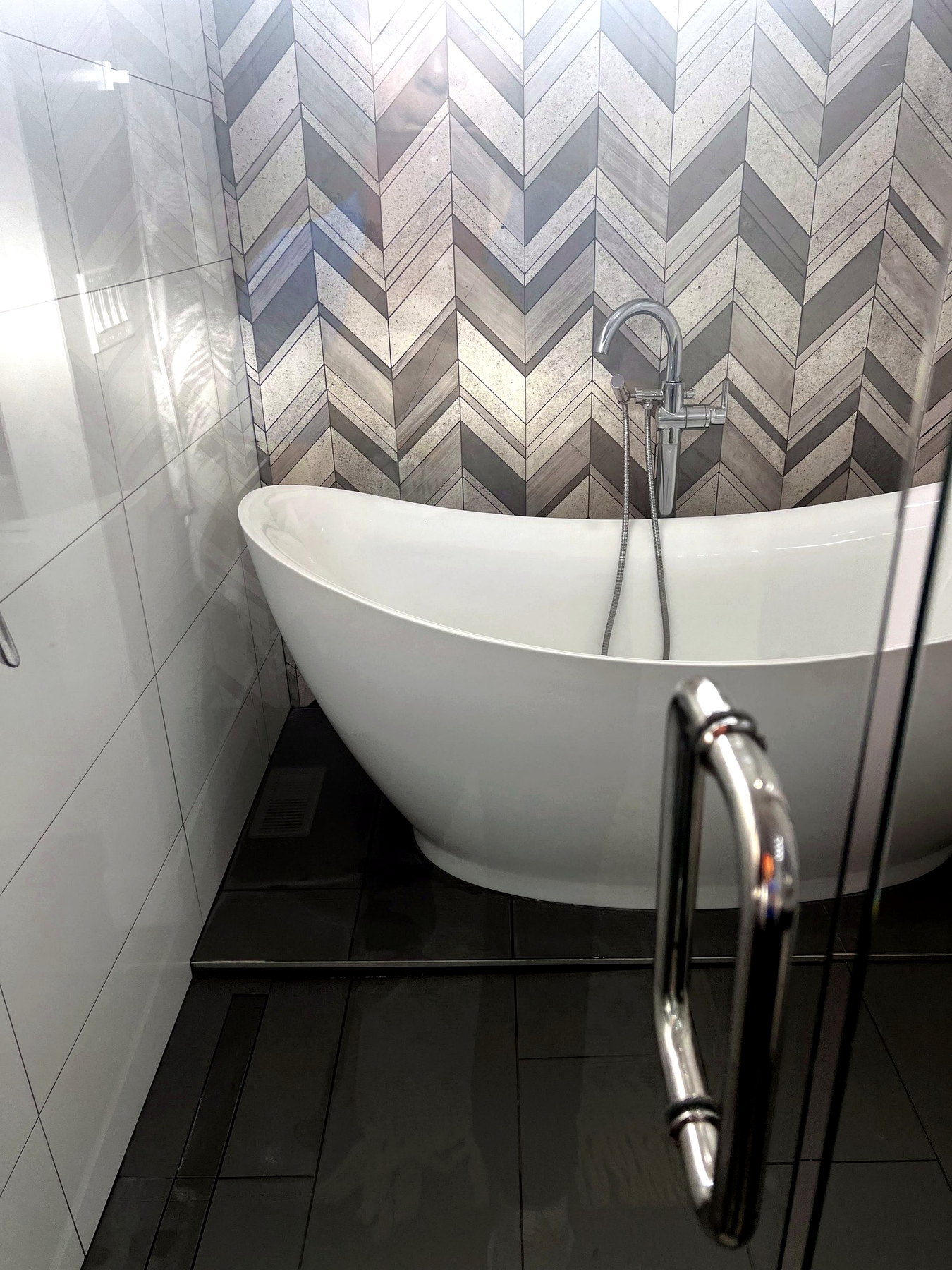
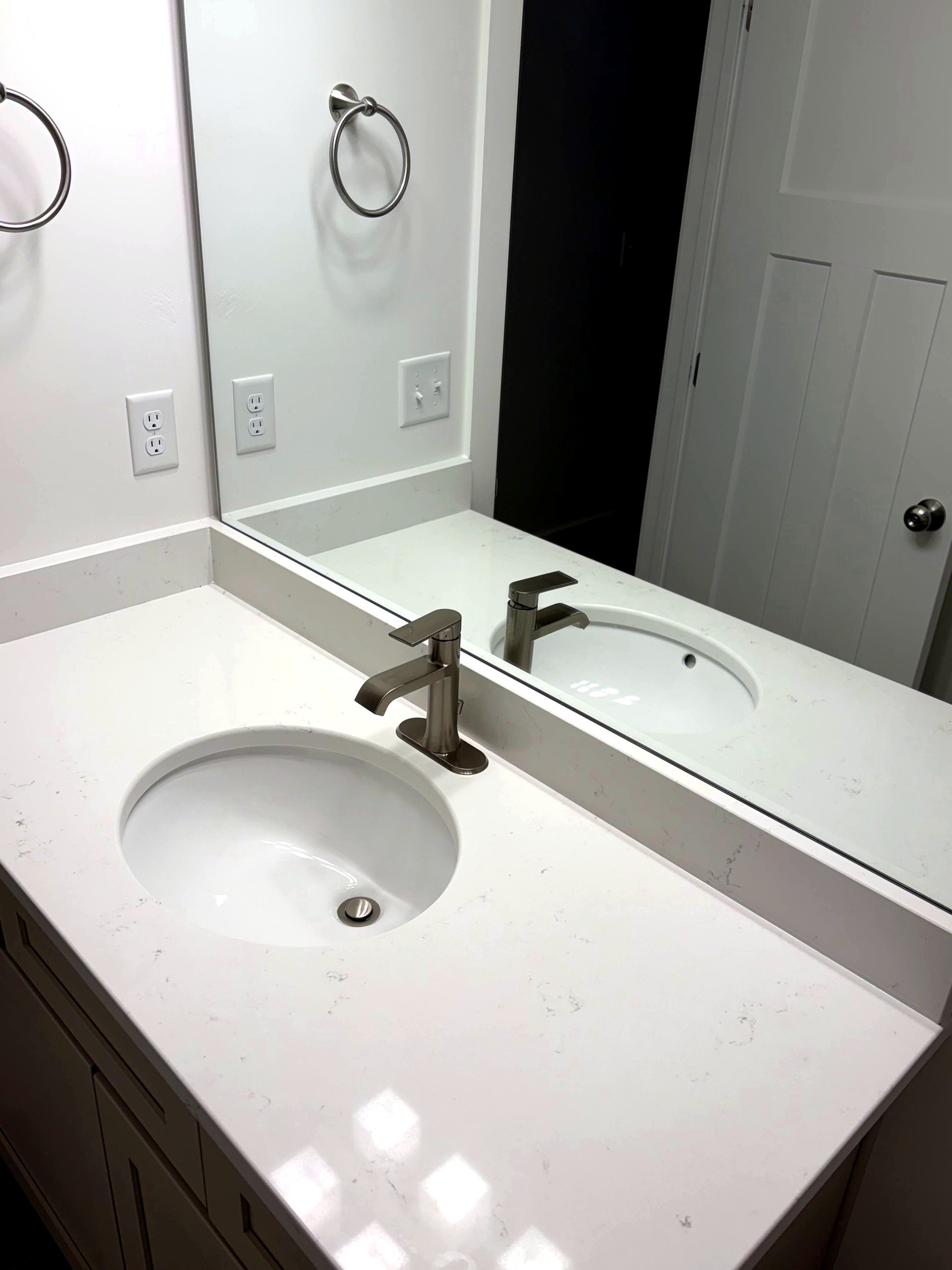
If you live in Summit County or Wasatch County, hard water is not a possibility — it is a certainty. Here is how to manage mineral buildup on fixtures, glass, tile and appliances in your mountain home.
Why Hard Water Is the Hidden Cleaning Challenge in Summit and Wasatch Counties
If you have lived in the Wasatch Back for more than a few months, you have probably noticed it: a white, chalky residue building up on your faucets, shower doors streaked with a haze that no amount of wiping seems to fix, and a ring inside the toilet bowl that reappears almost as fast as you scrub it away. That is hard water at work, and it is one of the most persistent cleaning challenges homeowners face in Summit County and Wasatch County.
The water supply throughout this region draws heavily from underground aquifers and snowmelt filtered through limestone and mineral-rich geology. By the time it reaches your tap in Park City, Heber City, or the surrounding valleys, it carries significant concentrations of calcium and magnesium. The Mountain Regional Water Special Service District reports hardness levels that consistently fall into the "hard" to "very hard" range, often exceeding 15 grains per gallon in some areas. That level of mineral content leaves its mark on every surface water touches.
Understanding What Hard Water Does to Your Home
Mineral deposits from hard water, commonly called limescale or calcium buildup, are more than a cosmetic nuisance. Left untreated, they can etch into glass shower doors permanently, corrode plumbing fixtures, reduce the efficiency of water heaters, and shorten the lifespan of dishwashers and washing machines. In a region where homes represent a significant investment — whether you own a primary residence in the Heber Valley or a vacation property near the ski resorts — ignoring hard water damage is a costly mistake.
The effects tend to concentrate in specific areas. Bathrooms take the hardest hit, particularly shower enclosures, glass doors, and chrome or brushed nickel fixtures. Kitchens suffer around the sink and faucet area, on stainless steel appliances, and inside the dishwasher. Toilets develop rings where the waterline sits. Even tile grout absorbs minerals over time, turning from white to a dull gray or yellowish tone that regular mopping cannot reverse.
The Best Descaling Techniques for Local Hard Water
White Vinegar: The Workhorse Solution
Distilled white vinegar remains the most effective and widely available descaling agent for routine hard water cleaning. The acetic acid dissolves calcium and magnesium deposits without damaging most surfaces. For shower heads, detach them and soak in undiluted white vinegar for four to six hours — overnight is even better. For faucets that cannot be removed, fill a plastic bag with vinegar, secure it around the fixture with a rubber band, and let it sit for several hours.
Glass shower doors in Park City homes benefit from a routine vinegar spray. Mix equal parts white vinegar and water in a spray bottle, apply after each shower, and squeegee off. This daily habit takes thirty seconds and prevents the heavy buildup that eventually requires professional intervention. If you are already dealing with thick scale on your shower glass, apply undiluted vinegar, let it sit for thirty minutes, then scrub with a non-scratch pad.
Citric Acid for Heavier Buildup
When vinegar alone is not enough — which happens frequently with the mineral concentrations we see in the Wasatch Back — citric acid powder is the next step. Dissolve two to three tablespoons in a spray bottle of warm water and apply to affected surfaces. Citric acid is stronger than vinegar against calcium deposits but still safe for most fixtures, tile, and glass. It is particularly effective inside dishwashers and around kitchen sinks where vinegar's odor can be off-putting near food preparation areas.
Commercial Descalers: When to Reach for the Stronger Options
Products containing phosphoric acid or hydrochloric acid, such as CLR or Lime-Away, are effective against severe buildup but require more caution. These should never be used on natural stone surfaces — a critical note for the many homes in Heber City and surrounding areas that feature granite countertops or travertine tile in bathrooms. Always test commercial descalers on a small, hidden area first, ventilate the space well, and never mix them with bleach or other cleaning products.
Protecting Your Fixtures from Long-Term Damage
Prevention is always easier than remediation when it comes to hard water. Here are the strategies that make the biggest difference for homes in our area:
Squeegee after every shower. This single habit eliminates the majority of water spots on glass before minerals have a chance to bond with the surface. Keep a squeegee mounted inside every shower enclosure.
Dry fixtures after use. Wiping down faucets and handles with a dry microfiber cloth after washing hands or doing dishes prevents water from evaporating and leaving mineral deposits behind. This is especially important for matte black and oil-rubbed bronze finishes, which show hard water stains more visibly than chrome.
Apply a protective coating to glass. Rain-X or similar hydrophobic coatings applied to shower doors every three to four months create a barrier that causes water to sheet off rather than bead and dry in place. Some homeowners apply ceramic coatings typically used on car windshields for longer-lasting protection.
Schedule regular deep cleaning sessions. Even with diligent daily maintenance, hard water deposits accumulate in places you do not clean regularly — under faucet bases, behind toilet hinges, inside showerhead nozzles, and along grout lines. A thorough deep cleaning every few months addresses these hidden areas before buildup becomes severe.
Water Softener Considerations for the Wasatch Back
Many homeowners in Summit County and Wasatch County eventually consider installing a water softener, and for good reason. A properly sized and maintained softener can dramatically reduce mineral buildup throughout your entire plumbing system, extending the life of your appliances and making cleaning significantly easier.
However, water softeners come with considerations specific to our area. Salt-based softeners discharge brine during regeneration, which can be a concern for homes on septic systems — common in rural parts of the Heber Valley, Midway, and unincorporated areas of both counties. Salt-free conditioners, which do not remove minerals but change their structure to reduce scaling, may be a better fit for these properties.
If you already have a softener, keep in mind that it requires regular maintenance. Check salt levels monthly, and have the system inspected annually. A malfunctioning softener that is not actually treating your water gives you the worst of both worlds — the cost of running the system without the benefit of softer water.
Room-by-Room Hard Water Cleaning Guide
Bathrooms
Start with the shower enclosure. Spray all glass, tile, and fixtures with your descaling solution and allow adequate dwell time — at least fifteen minutes for vinegar, five to ten for citric acid. Scrub grout lines with a stiff brush. For textured shower floors that trap mineral buildup in their pattern, a paste of baking soda and vinegar applied with an old toothbrush works into the crevices effectively.
Toilets in hard water areas develop a persistent ring at the waterline. Turn off the water supply, flush to lower the water level, then apply your descaler directly to the ring. A pumice stone designed for porcelain can remove stubborn deposits without scratching the bowl. Avoid pumice on colored or coated toilet interiors.
Kitchen
The area around the kitchen faucet base is a magnet for mineral buildup because water pools there and evaporates. Wrap the base in a vinegar-soaked paper towel and cover with plastic wrap for an hour. For stainless steel sinks, clean with the grain using a citric acid solution, then polish with a small amount of mineral oil to repel water spots.
Run your dishwasher empty once a month with a cup of white vinegar placed in a dishwasher-safe container on the top rack. This dissolves mineral deposits inside the machine that reduce its cleaning efficiency over time. If you notice white film on your glassware, hard water is likely the culprit — try adding a rinse aid to every cycle.
Laundry
Hard water affects laundry more than most people realize. Minerals bond with detergent, reducing its effectiveness and leaving residue in fabrics. Whites gradually turn gray, towels become stiff, and colors fade faster. Adding a half cup of white vinegar to the rinse cycle helps counteract mineral buildup in fabrics. Washing soda (sodium carbonate) added to the wash cycle softens the water and improves detergent performance.
When to Call in Professional Help
Some hard water situations go beyond what routine cleaning can handle. If your shower glass has a permanent etched appearance even after descaling, the minerals have likely damaged the glass surface itself. If grout has absorbed years of mineral staining, it may need professional deep cleaning or even regrouting. If faucets or showerheads are corroded internally, no amount of external cleaning will restore proper water flow.
A professional deep cleaning service can tackle the heavy accumulation and help you establish a maintenance routine that keeps it under control going forward. For homeowners who prefer to focus their time on enjoying everything the Wasatch Back has to offer rather than battling limescale, recurring cleaning service ensures that hard water deposits never get a chance to build up between visits.
Whether you handle the cleaning yourself or bring in help, the key is consistency. Hard water is not going anywhere — it is simply part of life in Summit and Wasatch County. But with the right techniques and a regular schedule, it does not have to leave its mark on your home. If you are ready for professional help with hard water buildup or any other cleaning challenge, reach out to Sun Ray Cleaning and let us put our local expertise to work for you.
Frequently Asked Questions
How hard is the water in Park City and Heber City?
Water hardness in the Park City and Heber City area typically ranges from 12 to 20 grains per gallon, which falls in the "hard" to "very hard" category. The exact level depends on your specific water source and whether your area draws from wells, springs, or treated municipal supply. You can request a water quality report from your local provider or purchase an inexpensive test kit at any hardware store to check your home's exact level.
Will hard water damage my natural stone countertops or tile?
Yes, hard water deposits can etch and stain natural stone surfaces including granite, marble, and travertine over time. Acidic descalers like vinegar and citric acid can also damage natural stone, so use only pH-neutral stone cleaners on these surfaces. Wipe up standing water promptly and reseal stone surfaces annually to minimize mineral absorption.
How often should I descale my fixtures in Summit County?
With the mineral levels typical in Summit and Wasatch Counties, plan on a thorough descaling of all bathroom and kitchen fixtures every two to four weeks. Shower doors and faucets that get daily use may need weekly attention. If you have a working water softener, you can extend that interval to monthly or even quarterly for most fixtures.
Is a water softener worth the investment for a mountain home?
For full-time residents, a water softener typically pays for itself within a few years through reduced appliance maintenance, lower detergent usage, and less frequent need for professional cleaning. For vacation homes that sit empty for weeks at a time, a salt-free conditioner may be a better choice since it requires less maintenance and does not risk salt bridging from infrequent use.
Can professional cleaning remove hard water etching from glass shower doors?
Professional cleaning can remove heavy mineral deposits, but true etching — where the minerals have chemically damaged the glass surface — is permanent. A professional team can assess whether your shower doors have surface deposits that can still be removed or whether the glass has been etched beyond repair. In severe cases, applying a ceramic coating after professional cleaning can mask mild etching and prevent future damage.